A fuel shortage can ground aircraft, leave machinery idle and prevent food from reaching shops. It can restrict the movement of people, goods and military forces precisely when those movements matter most. The consequences extend to every operation that depends on that supply.
Multiple sources of supply can make all the difference. They may seem unnecessary when everything works. But when disruption strikes, it is too late to start building resilience.
Norway is an oil producing country but only has one oil refinery: Mongstad. It produces fuel for domestic and international markets, yet Norway still depends on imports of diesel, marine gas, oil and aviation fuel. Producing crude oil does not, by itself, ensure that the right fuel will be available where it is needed. Oil must be refined in order to use it.
As the Norwegian Defense Research Establishment (FFI) warns, fuel supply failures in wartime can quickly have severe consequences for military operations and essential civilian services.
Its researchers describe a difficult combination: demand for fuel and transport can rise sharply during a crisis, while production and delivery become more vulnerable. FFI: Security of supply in wartime.
Local hydrogen production can provide an additional source of supply for specific industrial and energy needs. Electrolysers use electricity and water to produce hydrogen close to where it is needed. That hydrogen can serve industrial processes or, with further processing and additional inputs, become synthetic fuels. Hydrogen can also provide long duration energy storage, and transformed back to electricity or used in other applications depending on demand.
Alongside fuel reserves and reliable trading partners, adding hydrogen into the energy mix provides essential operations more options when supply is disrupted.
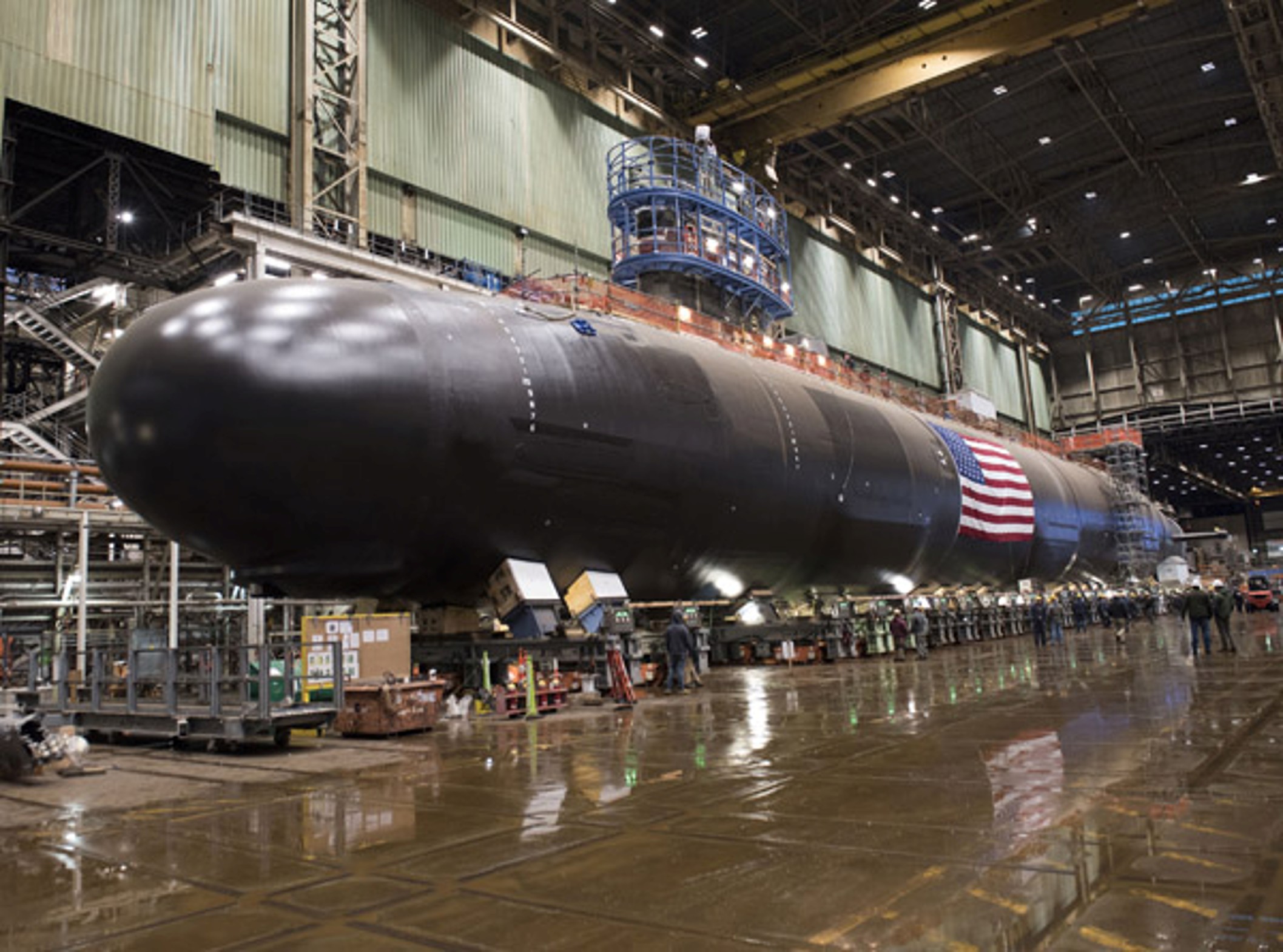
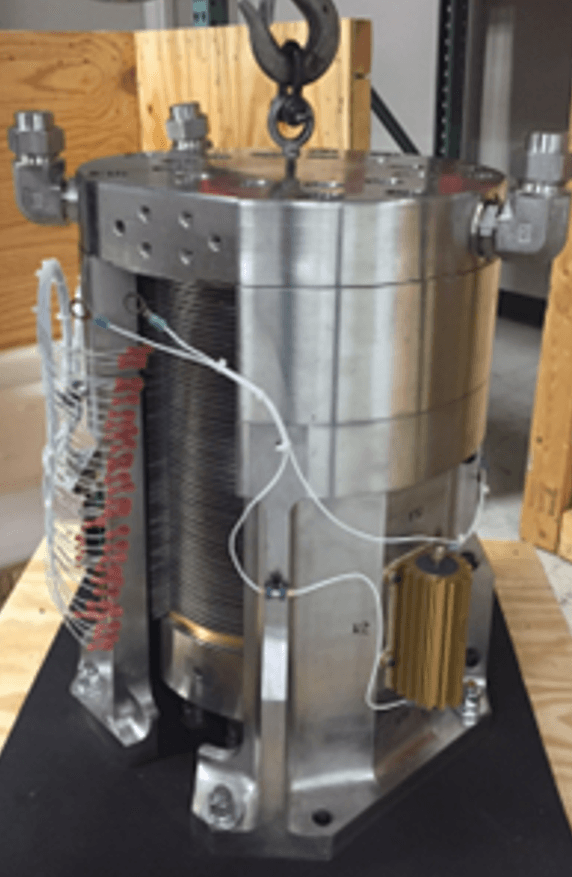
Nel has supplied PEM electrolyser technology for naval submarine applications for more than a decade. The technology is used to produce oxygen for crews on multiple classes of nuclear-powered submarines.
In March 2025, Collins Aerospace placed a further order worth approximately USD 6 million for Nel PEM stacks to support oxygen production on U.S. Navy submarines.
French and British Navies: Nel also sells electrolysers for life support on submarines to the British (Astute and Vanguard class submarines) and French (Barracuda class submarines) Navies.
An alternative source of supply must be dependable, year after year.
Nel’s roots in electrolysis go back to 1927. Nearly a century of development, manufacturing and experience from customer operations has shaped the technology we build today.
With delivery of more than 7,000 electrolyser stacks across 80+ countries, that experience matters.
That experience also shapes our next generation of electrolysers.
In May 2026, Nel launched its new pressurised alkaline electrolyser following more than eight years of development and full-scale prototype testing at Herøya, Norway.
The system uses standardised modules, assembled and tested in the factory before delivery. Designed for outdoor installation, it aims to reduce installation work, shorten project timelines and lower investment costs.
Explore more here.